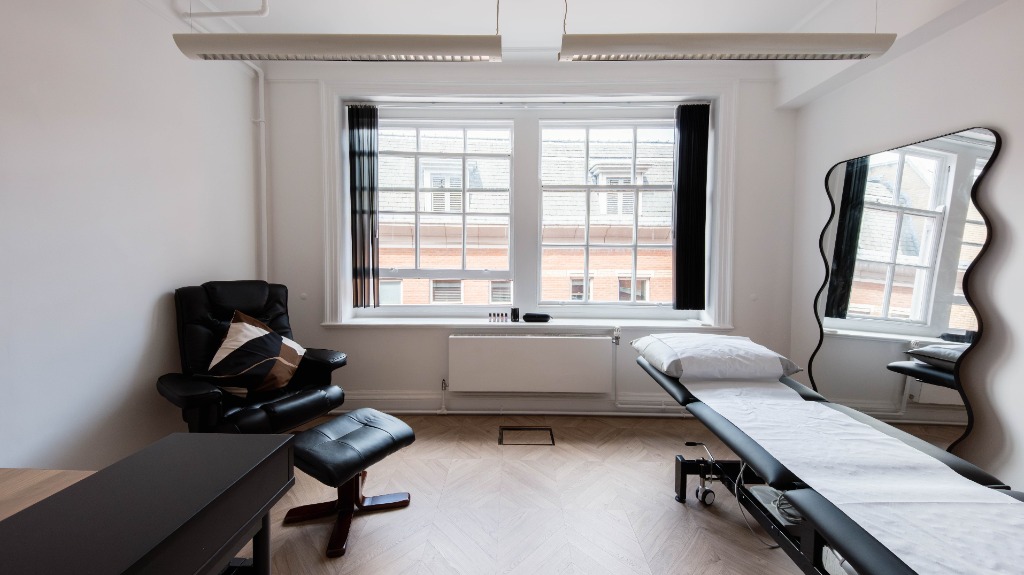
What Is Somatic Release Massage?
Somatic release massage is a specialised form of manual therapy that targets the autonomic nervous system — not just muscles. While traditional massage works on surface muscle tension, somatic release addresses the deeper neurological patterns that maintain chronic pain, insomnia and anxiety long after the original cause has resolved.
The word "somatic" comes from the Greek soma, meaning "body." In clinical terms, somatic release works on the principle that your body stores unresolved stress, trauma and emotional tension in specific tissue patterns — patterns that your conscious mind may not recognise, but your nervous system maintains involuntarily.
The Science: How Your Body Stores Tension
1. The Fascia — Your Body's Memory System
Fascia is the continuous web of connective tissue that surrounds every muscle, organ, nerve and blood vessel in your body. For decades, it was dismissed as mere "packaging." Modern research has revealed it is actually a sensory organ — containing more nerve endings per square centimetre than your skin.
When you experience sustained stress, physical injury or emotional distress, fascia responds by:
- Dehydrating — losing fluid and becoming stiff, restricting movement
- Adhering — layers that should glide freely stick together, creating "knots"
- Contracting — maintaining a protective tension pattern long after the threat passes
This is why you can feel "tight" without any recent injury. Your fascia is holding a historical tension pattern — a physical memory of past stress that your nervous system has not released.
2. The Autonomic Nervous System — Stuck in Survival Mode
Your autonomic nervous system has two branches:
| Sympathetic (Fight or Flight) | Parasympathetic (Rest & Repair) |
|---|---|
| Heart rate increases | Heart rate decreases |
| Muscles tense for action | Muscles relax and repair |
| Digestion slows | Digestion activates |
| Pain sensitivity increases | Pain sensitivity normalises |
| Sleep disrupted | Deep sleep enabled |
When stress is chronic — from work pressure, family demands, heartbreak, grief, or accumulated life challenges — your nervous system forgets how to switch off. It stays locked in sympathetic dominance, producing the symptoms that bring most of my clients to the clinic: chronic pain, insomnia, anxiety, jaw clenching, headaches and that constant feeling of being "wired but tired."
3. The Vagus Nerve — Your Reset Button
The vagus nerve is the longest nerve in your body, running from your brainstem to your abdomen. It is the primary pathway of the parasympathetic nervous system — your body's natural "calm down" signal.
Somatic release massage uses specific techniques to directly stimulate the vagus nerve:
- Sustained pressure at the suboccipital muscles (base of skull)
- Slow, rhythmic strokes along the neck and upper back
- Diaphragm release techniques
- Deep abdominal work targeting visceral fascia
Research published in Frontiers in Neuroscience (2018) showed that vagal stimulation through manual therapy reduced cortisol by up to 31%, increased serotonin by 28%, and improved heart rate variability within a single session.
What Somatic Release Feels Like — For Women and Men
For Women
Many women carry the invisible burden of holding everything together — career, family, relationships, emotional labour. This manifests as tension in the jaw (clenching at night), the shoulders (carrying responsibility), the lower back (supporting everyone), and the diaphragm (holding your breath through stressful moments).
During somatic release, women often experience a profound emotional release — tears, deep sighs, or an overwhelming sense of relief. This is not weakness. It is your nervous system finally exhaling after months or years of holding. After the session, clients describe sleeping through the night for the first time, waking without jaw pain, and feeling a physical lightness they had forgotten was possible.
For Men
Men typically store tension differently — in the upper trapezius (the "Atlas muscle" — holding the world on your shoulders), the hip flexors (from sitting but also from suppressed fight-or-flight responses), the chest (protective armouring), and the lower back (structural overload from demanding physical output without recovery).
During somatic release, men often experience involuntary muscle twitching (fasciculations), deep yawning, or a sensation of "heaviness" as the nervous system finally drops into parasympathetic mode. Post-session, clients describe a mental clarity they haven't experienced in years, dramatically improved sleep, and a sense of physical ease that makes them wonder why they waited so long.
Somatic Release vs Traditional Massage
| Traditional Massage | Somatic Release | |
|---|---|---|
| Target | Muscles | Nervous system + fascia + muscles |
| Duration of relief | Hours to days | Compounds over weeks |
| Approach | Same routine for everyone | Tailored to YOUR nervous system state |
| Goal | Relaxation | Nervous system re-education |
| Measurement | "Feels good" | Measurable changes in cortisol, HRV and pain thresholds |
Who Should Consider Somatic Release?
This therapy is most effective for people experiencing:
- Chronic pain that won't resolve — when physio, medication and rest haven't worked, the issue is often neurological, not structural
- Insomnia or disrupted sleep — your nervous system is too activated to allow deep rest
- Anxiety or burnout — physical tension is both a symptom and a driver of anxiety
- Post-heartbreak or grief — emotional loss creates real physical tension patterns, particularly in the chest, throat and diaphragm
- Headaches and migraines — often driven by suboccipital tension and cervical dysfunction
- Workload stress — executives, professionals and high-performers whose bodies absorb constant pressure
- Recovery from injury — when the tissue has healed but the protective tension pattern remains
"Every treatment I give is tailored to the person in front of me — not a script. I assess your nervous system state, your fascial restrictions, and the life circumstances driving your tension. Two clients with 'shoulder pain' might receive completely different treatments because the underlying pattern is different."
— Concetta, 23 years clinical experience
Book Your First Somatic Release Session
Sessions are available at 162 Regent Street, Mayfair, London W1 — a short walk from Bond Street, Oxford Circus and Green Park stations. Every session begins with a full nervous system assessment so your treatment is precisely calibrated to your body.