
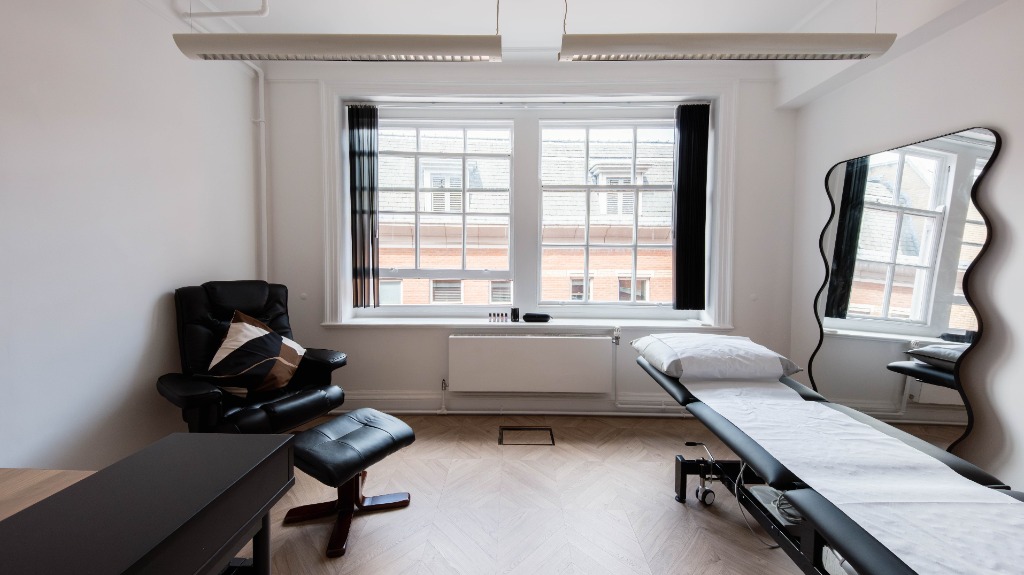
The Hidden Epidemic: Living in Fight-or-Flight
Your autonomic nervous system has two primary modes: the sympathetic branch (fight-or-flight) and the parasympathetic branch (rest-and-repair). In a healthy body, these two systems balance each other — you respond to threats when needed and return to calm when the threat passes.
But for millions of people living in modern cities, the sympathetic branch has become the default setting. The constant stimulation of notifications, deadlines, commutes, financial pressure and social comparison keeps the fight-or-flight system activated 24 hours a day. Your body doesn't distinguish between a lion chasing you and a hostile email from your manager — it responds with the same cascade of cortisol, adrenaline and muscular bracing.
Over time, this creates a condition called sympathetic dominance — where your nervous system literally forgets how to switch off.
What Sympathetic Dominance Feels Like
For Women
Sympathetic dominance in women often manifests as invisible tension. You may not feel "stressed" in the traditional sense, but your body tells a different story: jaw clenching (especially at night), chronic neck and shoulder tightness, shallow breathing that sits high in the chest, digestive issues (IBS, bloating, acid reflux), hormonal disruption (irregular cycles, PMS intensification), and a persistent feeling of being "overwhelmed" even when your actual workload is manageable.
Many women describe it as: "I feel like I'm running on adrenaline all the time, but I have no energy." That paradox is the hallmark of sympathetic dominance — your body is burning fuel at emergency rates while your conscious mind feels depleted.
For Men
In men, sympathetic dominance typically presents as chronic muscular armouring. Your upper traps feel like concrete. Your lower back has been "tight" for so long you've stopped mentioning it. You grind your teeth. You sleep 7 hours but wake up exhausted. You have a short fuse and you don't know why. Your blood pressure is creeping up. Exercise makes you feel briefly better, but the baseline tension returns within hours.
The common male response — "I just need to push through it" — actually feeds the cycle. High-intensity exercise in a sympathetically dominant state produces more cortisol, more muscular tension, and deeper exhaustion. It's like putting premium fuel in a car with the handbrake on.
The Vagus Nerve: Your Body's Reset Button
The vagus nerve is the longest cranial nerve in your body, running from your brainstem through your neck, chest and abdomen. It is the primary pathway of the parasympathetic nervous system — the rest-and-repair branch. When the vagus nerve is properly activated ("vagal tone"), it:
- Lowers heart rate — shifting from the rapid, shallow heartbeat of stress to a slow, powerful rhythm
- Deepens breathing — engaging the diaphragm instead of the accessory muscles of the neck and chest
- Releases muscular tension — allowing the chronically braced muscles of the jaw, shoulders, back and hips to soften
- Restores digestion — your gut literally shuts down during fight-or-flight; vagal activation restarts it
- Regulates inflammation — the vagus nerve controls the "inflammatory reflex," reducing systemic inflammation throughout the body
- Enables deep sleep — shifting the brain from hypervigilant beta waves to the alpha and theta waves required for restorative sleep
How Massage Regulates Your Nervous System
This is not about "relaxation" in the vague, spa-brochure sense. This is about measurable physiological changes that have been documented in peer-reviewed research.
1. Sustained Pressure Activates Mechanoreceptors
When a therapist applies slow, sustained pressure — particularly at key points along the spine, the suboccipital muscles at the base of the skull, and the diaphragm — it activates mechanoreceptors in the fascia that send direct signals to the vagus nerve. This is why deep tissue massage produces a different result from foam rolling or self-massage: the sustained human touch creates a neurological signal that machines and tools cannot replicate.
2. Diaphragm Release Creates Immediate Parasympathetic Shift
The diaphragm is both a respiratory muscle and a direct attachment point for the vagus nerve. When the diaphragm is released manually, clients often experience an involuntary deep breath — sometimes the first full breath they've taken in weeks. This single moment can shift the nervous system from sympathetic to parasympathetic dominance.
3. Somatic Tremoring Discharges Stored Stress
During somatic release work, the body may spontaneously tremor or twitch. This is not a side effect — it is the body's natural mechanism for discharging accumulated survival energy. Animals do this instinctively after a predator encounter; humans have culturally suppressed it. Allowing and facilitating this process is one of the most powerful nervous system regulation tools available.
4. Co-Regulation Through Therapeutic Presence
Your nervous system is designed to regulate in the presence of a calm, safe other person. This is called co-regulation, and it is hardwired into human neurobiology. When a skilled therapist works with calm, intentional presence, your nervous system unconsciously mirrors their regulated state. This is why the therapeutic relationship matters — it's not just technique, it's neurobiology.
"The most common thing I hear after a session focused on nervous system regulation is: 'I feel like I can breathe properly for the first time in months.' That single shift — from shallow chest breathing to deep diaphragmatic breathing — changes everything downstream: pain reduces, sleep improves, digestion normalises, and the persistent sense of being 'on edge' finally lifts."
— Concetta, 23 years clinical experience
Who Needs Nervous System Regulation?
Consider whether any of these apply to you:
- You feel exhausted but cannot sleep properly
- Your muscles are chronically tight despite stretching, yoga or exercise
- You experience anxiety, irritability or emotional reactivity that feels disproportionate to your circumstances
- You have digestive issues (IBS, bloating, nausea) that worsen under pressure
- Your pain keeps returning even after massage, physio or chiropractic — because the nervous system re-tightens everything between sessions
- You feel "wired but tired" — running on adrenaline with no reserves
- You've been told there's "nothing wrong" after medical tests, but you know your body isn't functioning normally
If three or more of these resonate, your nervous system is likely stuck in sympathetic dominance. The solution is not more willpower, more exercise or more medication — it is teaching your body how to switch off again.
What a Nervous System Regulation Session Involves
At Mayfair Massage & Therapy, nervous system regulation is integrated into every session, but can also be the primary focus of a dedicated treatment. The protocol draws on:
- Deep tissue massage — slow, sustained pressure targeting the suboccipital muscles, paraspinal muscles, diaphragm and psoas
- Somatic release techniques — facilitating the body's natural tremoring and discharge responses
- Breathwork guidance — teaching your body to re-engage the diaphragm during and after the session
- Energy work (Emotion Code) — identifying and releasing trapped emotions that are contributing to nervous system dysregulation
Book a Nervous System Regulation Session
Sessions are available at 162 Regent Street, Mayfair, London W1 — a short walk from Bond Street, Oxford Circus and Green Park stations. Whether you choose a 60 or 90-minute session, the treatment will be tailored to your specific nervous system patterns.